
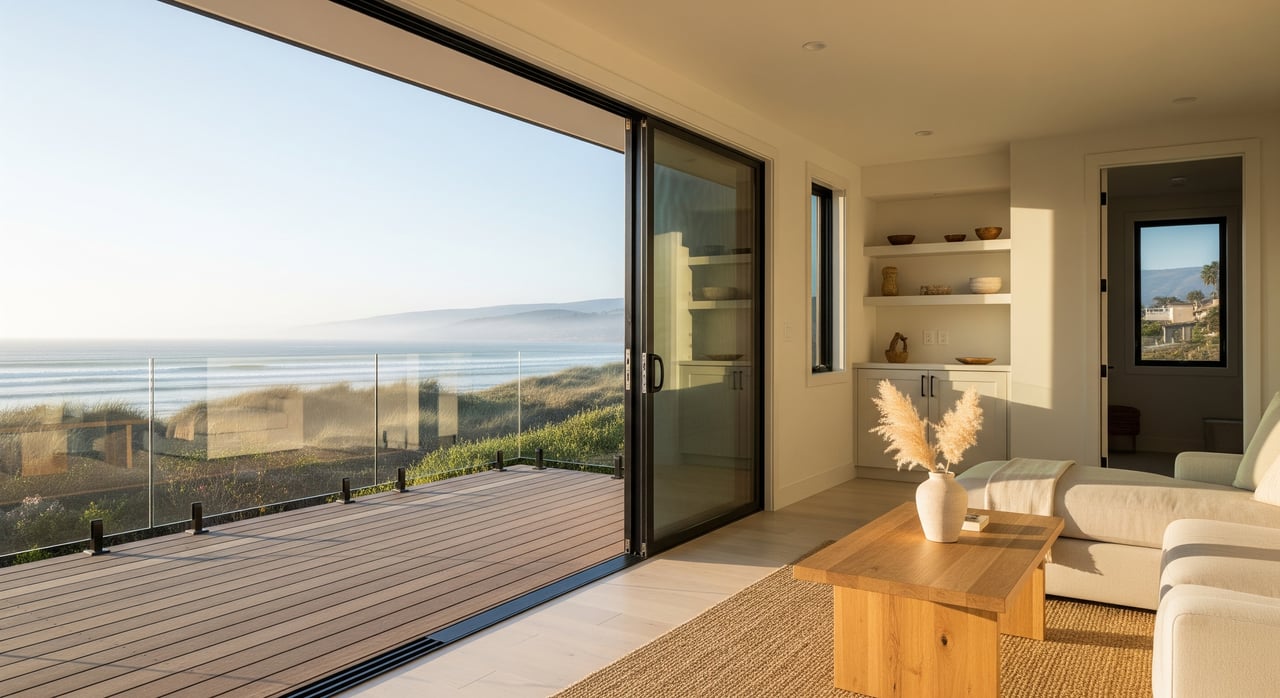
Thinking about turning your Grover Beach property into a short-term rental? You’re not alone. With beach access, wine country nearby, and a steady stream of coastal visitors, the idea is appealing. The key is doing it right from day one so you avoid fines, protect your investment, and deliver a great guest experience. In this guide, you’ll learn what to verify with the City, how taxes typically work, the safety and insurance basics, and a practical checklist to make your home guest-ready. Let’s dive in.
Verify first in Grover Beach
Before you list your place, confirm the current rules directly with local officials and your HOA. Policies change, and details matter at the parcel level.
- Contact Grover Beach Planning/Community Development to ask about short-term rental registration or permits, zoning allowances, and any caps or neighborhood limits.
- Ask the Finance or Treasurer’s office about business license requirements, transient occupancy tax (TOT) registration, tax rates, filing schedules, and penalties.
- Check the municipal code and recent City Council actions for any STR ordinances, quiet hours, parking, and nuisance rules.
- If you’re in an HOA or condo association, get the CC&Rs and board policies in writing. HOA rules can be more restrictive than city rules.
- Confirm with your hosting platform whether it collects and remits occupancy taxes in Grover Beach or if you must file directly.
Typical rules to expect
Every city is different, but many California coastal communities include some or all of the items below. Treat these as a roadmap to verify locally.
Permit or registration
Many cities require a dedicated STR or vacation rental registration before you host your first guest. Expect to provide owner contact details, a 24/7 local agent, and pay application or renewal fees. Operating without approval can trigger fines, suspension, or revocation.
Business license
Plan for a standard city business license. It may be separate from the STR registration. Clarify how often it renews and the fee schedule.
Transient Occupancy Tax
Stays under a set threshold, often fewer than 30 days, usually trigger TOT. You may need to register, collect the tax from guests, and file returns on a monthly or quarterly basis. Verify the current rate, whether platforms remit for you, and how to file on time.
Local contact requirement
Many programs require a local, 24/7 contact who can respond to complaints quickly. Expect a response standard such as 30 to 60 minutes. This person is essential for noise or parking issues.
Occupancy and zoning
Some cities set occupancy by bedroom count or square footage and limit STRs in specific zones. Check if accessory dwelling units or multifamily buildings have special rules.
Parking and trash
You may need proof of off-street parking and a plan to prevent overflow onto neighboring streets. High-turnover properties often require clear trash and recycling procedures and extra service during peak periods.
Noise and complaints
Quiet hours and rules for amplified sound are common. Cities track complaints and may issue fines or probationary status. Clear house rules and a responsive local contact keep you in good standing.
Safety and building compliance
Expect smoke and carbon monoxide alarms, at least one fire extinguisher, safe and unobstructed exits, and posted evacuation info. Some cities require an inspection or signed attestation.
Caps and proximity limits
Some jurisdictions cap the total number of STR licenses or prioritize primary residences. Verify whether Grover Beach has any citywide or neighborhood limits.
Enforcement and penalties
Understand how the city escalates enforcement after complaints. Ask about warning notices, civil penalties, hearings, and appeal rights.
Taxes and TOT made simple
Short-term rental income comes with multiple tax layers. Get clarity before you accept your first booking.
- What TOT is: A local tax on short-term stays. Rates vary by city and can change, so confirm the current percentage and any special assessments.
- Who remits: Some marketplaces collect and remit TOT where they have agreements. In other places, you must collect from guests and file returns. Always verify platform behavior for Grover Beach.
- Registration and filing: Most owners must register for a TOT account and file returns on a defined cadence. Late filings often incur penalties and interest.
- Income taxes: Report your STR income on state and federal returns. TOT is separate from your income tax obligations.
- Recordkeeping: Keep booking reports, platform statements, and copies of TOT returns. Good records protect you during audits or ownership changes.
Safety, insurance, and legal basics
Protecting guests and your property is non-negotiable. Confirm specifics with the Grover Beach Fire Department and your insurer.
- Fire safety: Install smoke and CO alarms, place a fire extinguisher near the kitchen, maintain safe egress routes, and post evacuation instructions. Ensure visible house numbers and adequate exterior lighting.
- Insurance: Many homeowner policies exclude STR activity. Ask your broker about a short-term rental endorsement or a standalone host or commercial policy that covers liability, property damage, vandalism, and potential loss of income.
- Security and privacy: Avoid interior cameras in private spaces. Exterior cameras may be allowed but should be disclosed to guests. Know local and state rules on recording.
- Accessibility and fairness: If you advertise accessible features, represent them accurately. Understand anti-discrimination obligations and seek legal guidance if you plan to serve guests with specific accessibility needs.
- Neighbor relations: A clear house manual, quiet hours, and a rapid local response reduce complaints. Track and respond to issues in writing.
- Guest agreements: Use written rental terms, house rules, emergency contacts, check-in and check-out times, and a deposit policy. Clear expectations reduce disputes.
Property fit for Grover Beach
Beaches, breezes, and salt air shape what lasts and what doesn’t. Choose finishes and systems that stand up to coastal use and frequent turnover.
- Zoning and use: Confirm that STRs are allowed for your property type and zone. If you plan to convert a garage, add an ADU, or change occupancy, verify requirements first.
- Size and layout: Sleeping capacity drives revenue potential but must align with local occupancy limits. Prioritize practical bedroom counts and bathrooms over creative sleeping nooks.
- Parking reality: Off-street spaces reduce neighbor impact and help with compliance. If you rely on street parking, confirm what is permitted in your area.
- Durable interiors: Use water-resistant flooring like tile or vinyl plank in high-traffic areas. Choose performance fabrics, washable slipcovers, and easy-clean finishes.
- Beds and linens: Invest in quality mattresses and protectors. Keep standardized linens and spare sets to streamline turnovers.
- Outdoor areas: Aim for low-maintenance, drought-tolerant landscaping. Provide safe outdoor lighting, sturdy furniture, and a contained trash area that cleaners can service easily.
- Systems and comfort: Offer reliable high-speed Wi-Fi and clear instructions for HVAC, water heater, and appliances. Smart locks or lockboxes help with secure, auditable access.
- Turnover logistics: Partner with a reliable cleaning team. Maintain a labeled inventory checklist for kitchen items, linens, and consumables to reduce restocking time.
- Signage and numbering: Make sure the property number is clearly visible for guests and emergency responders.
Step-by-step plan to get compliant
Follow this roadmap to lower your risk and start hosting confidently.
- Call Planning/Community Development to confirm whether short-term rentals require a permit or registration for your address and zone.
- Ask Finance/Treasurer about the TOT rate, whether platforms remit, how to register, and when and how to file returns.
- Apply for a city business license if required. Note renewal dates in your calendar.
- Review your HOA CC&Rs and any board policies. Get written confirmation on STR allowances.
- Select a 24/7 local contact or management partner. Document response times and responsibilities.
- Complete safety prep: test smoke and CO alarms, add a kitchen fire extinguisher, post evacuation routes, and verify egress.
- Draft house rules and guest messaging that cover quiet hours, parking instructions, trash days, occupancy limits, and emergency contacts.
- Upgrade furnishings and finishes for easy cleaning and durability. Standardize linens and stocking.
- Set up a recordkeeping system for bookings, TOT filings, and incident logs. Keep copies of permits, licenses, and insurance.
- Conduct a soft launch. Host a few stays, gather feedback, and fine-tune your operations before peak season.
Common mistakes to avoid
Learn from frequent pain points so you don’t repeat them.
- Listing before permits or registration are approved.
- Assuming Airbnb or Vrbo remits all taxes for you without verifying with the city.
- Overstating sleeping capacity beyond local limits or your home’s layout.
- Ignoring HOA restrictions or skipping written confirmation.
- Not having a 24/7 local contact who can respond within required timeframes.
- Skipping a house manual that covers quiet hours, parking, and trash pickup.
- Underinsuring the property or relying on a standard homeowner policy.
- Poor turnover systems that lead to missing items or cleanliness complaints.
Local support from a trusted team
A compliant, well-presented short-term rental can be a strong addition to your portfolio, but success depends on careful planning and steady execution. If you want hands-on help to evaluate an address, prepare a property, or understand how local rules might affect your returns, our team is here to guide you. We assist investor clients with due diligence, vendor referrals, staging, and purchase or sale decisions across coastal San Luis Obispo County.
Have questions about a specific property in Grover Beach? Connect with the local team at Heritage Group Real Estate to map your plan and move forward with confidence.
FAQs
Do I need a permit to run a short-term rental in Grover Beach?
- Many California coastal cities require a short-term rental registration or permit, so contact Grover Beach Planning/Community Development to confirm the current rule for your address and zone before hosting.
What is the Grover Beach TOT rate and who remits it?
- The city sets the transient occupancy tax rate and filing schedule; verify the current percentage with Finance/Treasurer and whether platforms collect and remit on your behalf or if you must register and file returns directly.
Are short-term rentals allowed in all Grover Beach zones?
- STR allowances can vary by zoning district and property type, and some areas may have limits or caps; ask Planning/Community Development for parcel-specific guidance.
What safety items are required for a Grover Beach vacation rental?
- Common items include smoke and carbon monoxide alarms, a kitchen fire extinguisher, posted evacuation instructions, and clear egress; confirm exact requirements with the Grover Beach Fire Department.
Can my HOA restrict short-term rentals even if the city allows them?
- Yes, HOAs may have stricter rules; obtain the CC&Rs and any board policies in writing before listing and follow HOA procedures for fines or approvals.
What insurance should I carry for a Grover Beach STR?
- Ask your insurance broker for a short-term rental endorsement or a dedicated host or commercial policy that addresses liability, property damage, vandalism, and potential loss of income.
How do I reduce neighbor complaints and enforcement risk?
- Provide a 24/7 local contact, set clear quiet hours, give specific parking and trash instructions, and include house rules in your listing and in-home guide; respond to issues promptly and document resolutions.