
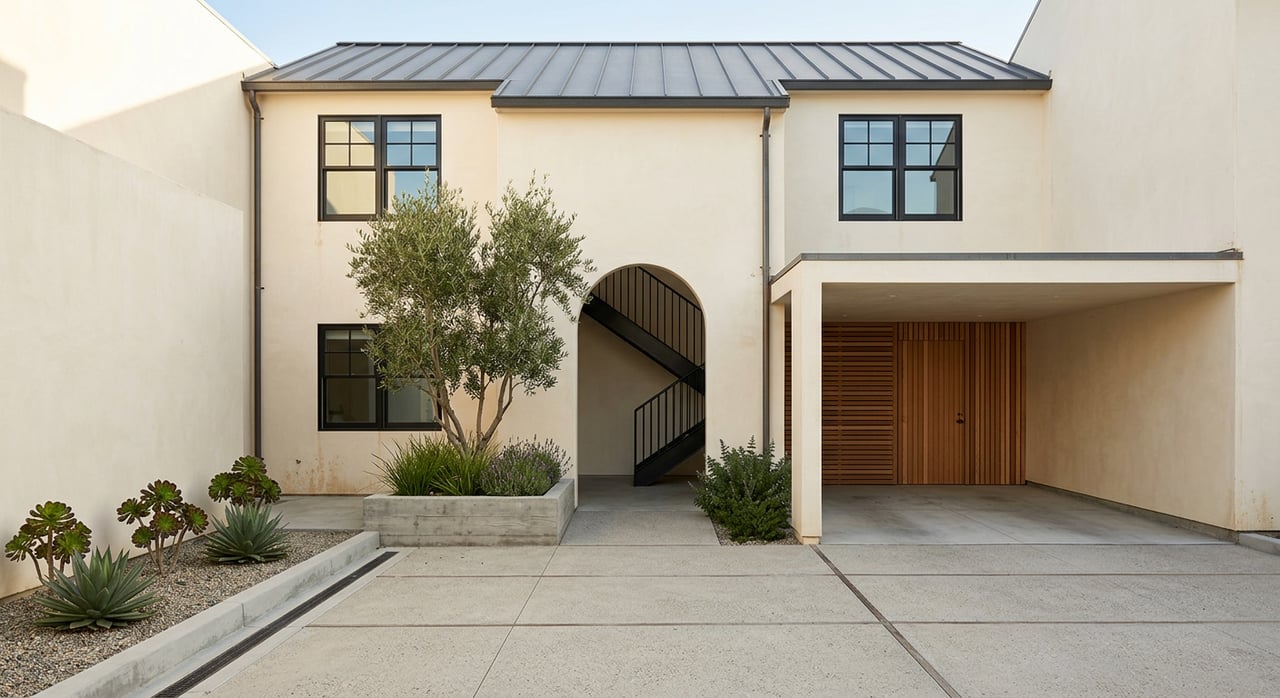
Imagine stepping out your front door and strolling to the sand, coffee in hand, with the Oceano Dunes just down the way. If a low‑maintenance coastal lifestyle is calling you, a condo in Grover Beach could be a smart move. In this guide, you’ll learn where condos are concentrated, how HOAs work in California, what dues typically cover, and the coastal maintenance factors to plan for. You’ll also get a practical checklist to shop with confidence. Let’s dive in.
Why buy a condo in Grover Beach
Grover Beach is reshaping its west side with new mixed‑use communities close to the beach. Along West Grand Avenue, you’ll see boutique mid‑rise condos with secured entries, on‑site parking, and modern amenities that fit a lock‑and‑leave lifestyle. Many buyers like the blend of beach access, smaller building scale, and fresh construction.
The city has leaned into a corridor plan to encourage higher‑density, walkable development at the coast. City notices describe approvals and streetscape work along West Grand that support this momentum. You can expect most new condo options to cluster there, with older condo and townhome pockets spread through the rest of town.
Where condos cluster in Grover Beach
West Grand Avenue’s “West End”
West Grand is the center of new condo activity. Recent projects highlighted on a local developer’s page show modern, for‑sale condos and townhomes with features like rooftop spaces, elevators, and private storage. You’ll also find mixed‑use buildings with ground‑floor commercial spaces that add convenience for daily errands.
A good example of the area’s design direction is the Encore community, which showcases contemporary finishes and amenity‑forward living. City updates confirm this west‑corridor push is tied to a long‑term master plan for a more vibrant coastal gateway. If you want newer construction and walkability, start here.
Older condo and townhome pockets
Outside the West End, you’ll find smaller complexes from the 1970s through the 1990s. These often include attached garages, assigned or covered parking, and simpler amenity lists. Monthly dues can be lower in these communities, but reserves and long‑term maintenance plans vary. Always compare age, amenities, and reserves when you weigh HOA fees across buildings.
HOA basics in California
Davis‑Stirling sets the rules
California condominiums operate under the Davis‑Stirling Common Interest Development Act. It outlines governance, disclosures, owner rights, budgets, and reserve planning. When you buy a condo, the association’s governing documents flow from this framework, so you know what to expect in terms of transparency and protections.
Reserves and special assessments
State law requires associations to prepare and review long‑term reserve studies and to disclose funding levels in the annual budget. The 30‑year planning horizon helps communities forecast roof, siding, elevator, and other major replacements. If reserves are thin, owners may face special assessments. Legal summaries and guidance for California HOAs are helpful references as you review a building’s financial health.
What HOA dues usually cover
HOA dues in Grover Beach vary by age, size, and amenities. In many buildings, dues cover exterior maintenance, common‑area utilities, master insurance on the building shell, landscaping, and management fees. Mid‑rise buildings with elevators, secured entries, fitness rooms, or rooftop spaces often have higher dues to support those features.
Newer West Grand projects promote amenity packages like private storage and secured parking, which influence operating costs and reserves. There is no single citywide “average” that fits every community. Instead, ask for the association’s current budget and most recent reserve study so you can see exactly what you are paying for and how well future projects are funded.
Parking, storage, and move‑in logistics
What to verify
- Parking type and ownership: Is your stall deeded on title or assigned by the HOA? In dense projects, tandem spaces are common, which matters if you have multiple drivers. Building staff reports often specify stall counts and layouts. Put your exact stall number in your purchase documents when applicable.
- Storage: Many buildings include a small storage locker, in‑unit utility closets, or shared bike storage. Confirm locker location, size, and any access rules in the HOA documents.
- Move‑in rules and fees: CC&Rs often require move‑in windows, elevator reservations, and proof of insurance for movers. If you plan to add an EV charger in a garage or assigned space, check the HOA’s policy and approval process in advance. California’s HOA framework guides these rules at the document level, so details will sit in each association’s packet.
Older vs. newer patterns
- Older garden‑style condos and townhomes often include an attached 1–2 car garage or a deeded covered stall. Guest parking is usually unassigned and limited.
- Newer West End buildings often use a secured garage with numbered or tandem spaces and a set number of guest stalls. Expect more structured parking rules that fit an urban infill setting.
Coastal climate and maintenance planning
Grover Beach has a mild, maritime climate with a summer marine layer and winter rain. The sea air carries salt and moisture that wear exterior finishes faster than inland areas. Paint cycles can shorten, balcony waterproofing needs steady attention, and metal fixtures and fasteners can corrode more quickly.
Researchers have documented how chloride salts accelerate corrosion in coastal environments, which is a key reason reserves and inspection cycles matter at the coast. It is also smart to consider long‑term sea‑level and high‑tide flooding planning on the Central Coast. Regional reports show rising high‑tide flooding trends, and you should check whether a property sits in a mapped flood zone before purchase. The practical takeaway is simple: look closely at the reserve study, the maintenance history, and any planned capital projects tied to coastal exposure.
Your condo due‑diligence checklist
Use this list to move from “this looks great” to “this is a solid, informed buy.”
- Request the HOA resale packet early
- Ask for CC&Rs, bylaws, rules, the current budget, the latest reserve study, the insurance summary, board minutes from the last 12–24 months, and any transfer or move‑in fees. Short review windows are common, so request documents before you write an offer when possible, and negotiate enough time to review them thoroughly.
- Verify reserve funding and upcoming work
- Request the most recent reserve study and funding percent. California law requires reserve planning, which helps you assess future projects and the risk of assessments. If funding looks thin, discuss it with your agent and consider an extended HOA‑document contingency.
- Confirm parking, storage, and vehicle rules
- Clarify whether stalls are deeded or assigned, whether the space is tandem, guest parking rules, any EV‑charging policy, and move‑in windows or deposits. Add the exact stall number and any storage locker to your contract when relevant.
- Check insurance scope and deductibles
- Review the master policy to see what it covers and what it excludes. Ask about earthquake and flood coverage availability, and confirm the association deductible and any owner responsibility for loss assessments.
- Order a coastal‑focused inspection
- Have your inspector look closely at the building envelope, balcony waterproofing, visible corrosion on railings and fasteners, and any signs of water intrusion. In older mid‑rise buildings, consider a condo‑specific or structural evaluation.
- Review rental and short‑term rental rules
- If you plan to rent, confirm whether the association has rental caps, minimum lease terms, or registration steps. These rules can affect your cash flow and use plans.
- Consider legal or financial review
- When documents show underfunding, pending litigation, or unusual rules, involve an attorney or accountant. If you need more time, negotiate a longer HOA‑document review contingency to avoid rushed decisions.
Nearby coastal alternatives to compare
Pismo Beach
Pismo Beach offers more established beachfront development and a resort‑style feel. Prices often trend higher than Grover Beach, and you will see a mix of oceanfront and hillside buildings with strong visitor appeal. If direct beach proximity and a more resort‑driven setting are your priority, add Pismo to your tour list.
Arroyo Grande and Oceano
Arroyo Grande sits just inland with townhomes and condos near daily services. Oceano borders the dunes and offers a range of condo options, often at more accessible price points. Each area has a distinct feel, so weigh beach access, building age, and HOA structure as you compare.
Next steps
Buying a condo at the coast should feel exciting, not overwhelming. With clear HOA documents, solid reserves, and a parking and storage plan that fits your lifestyle, you can enjoy the beach with confidence. If you want help lining up tours, reviewing HOA packets, or comparing West Grand projects with older options across town, our local team can guide you from first showing to smooth close.
Ready to explore condos in Grover Beach? Connect with the trusted local team at Heritage Group Real Estate for personalized advice, vetted vendor referrals, and white‑glove support tailored to your goals.
FAQs
What documents should I review when buying a Grover Beach condo?
- Ask for the full resale packet, including CC&Rs, bylaws, rules, the current budget, the latest reserve study, the insurance summary, and 12–24 months of board minutes.
How do California HOA reserves protect condo owners?
- State law requires long‑term reserve planning and annual disclosures, which help fund major repairs over time and reduce the risk of large, surprise assessments.
What does a typical Grover Beach HOA fee cover?
- Dues often cover exterior building maintenance, common‑area utilities, master insurance, landscaping, management fees, and reserve contributions, with amenities driving costs.
What is tandem parking in newer West Grand buildings?
- Tandem parking places two cars nose‑to‑tail in a single bay, which can work well for single‑driver households but requires planning if you have multiple daily drivers.
How does coastal weather affect condo maintenance near the beach?
- Salt air and humidity accelerate paint wear and metal corrosion, so expect more frequent exterior maintenance and careful balcony waterproofing in coastal buildings.
Are short‑term rentals allowed in Grover Beach condos?
- Rules vary by association; many HOAs set rental caps or minimum lease terms, so confirm restrictions in the CC&Rs and ask about current compliance and enforcement.
Do I need flood or earthquake coverage for a Grover Beach condo?
- The master policy may not include flood or earthquake, so check the HOA’s insurance summary and your lender’s requirements, then price owner policies as needed.