
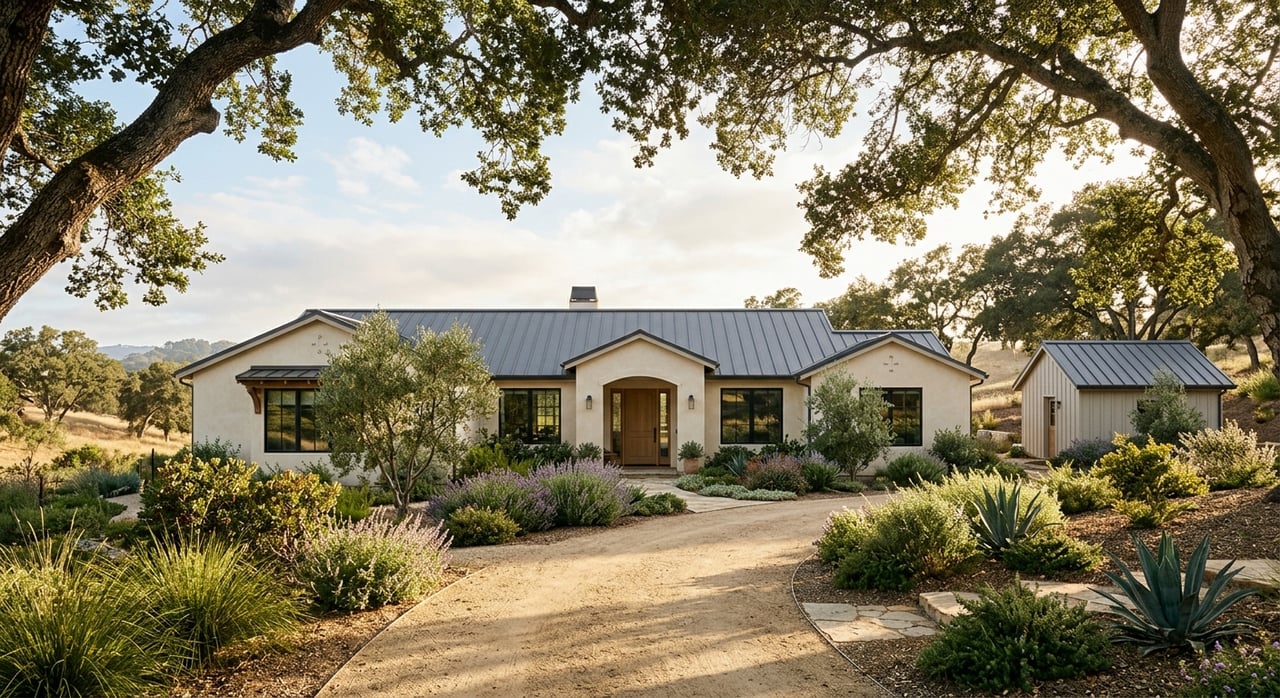
Dreaming of a little more elbow room in Arroyo Grande? Acreage and country homes can offer privacy, views, room for hobbies, and a different pace of life, but they also come with questions you do not usually face in a typical neighborhood purchase. If you are considering a rural property in or around Arroyo Grande, this guide will help you understand the local rules, property systems, and practical checks that matter most before you buy. Let’s dive in.
Why Arroyo Grande acreage needs careful review
Buying acreage in Arroyo Grande is often less about the house alone and more about the land, utilities, and access that come with it. Many country properties are located in unincorporated San Luis Obispo County, which means county rules may apply instead of city rules.
One of the first things to confirm is whether the parcel is in the Inland Area or the Coastal Zone. In San Luis Obispo County, inland land use is governed by Title 22, while coastal-zone parcels fall under Title 23. The county advises buyers to check the coastal and inland map first, then confirm zoning, land-use category, boundaries, and permit status by APN using Land Use View.
That distinction matters because two properties that appear similar on the surface can have very different development standards. The rules for additional dwellings, lot splits, animals, barns, workshops, or other improvements may vary based on land-use category, parcel size, and whether the property is inland or coastal.
Know the local land-use setting
Arroyo Grande sits near rural areas that offer a blend of space and coastal access. In the broader San Luis Bay coastal planning area, rural pockets include places such as See Canyon, Squire Canyon, Irish Hills, and Price Canyon/Ormonde Road.
The county also identifies the Cienega and Arroyo Grande valleys as agricultural lands that rely on local groundwater for irrigation. For you as a buyer, that makes water supply, access, and agricultural compatibility key parts of the decision, especially if you want land for gardening, animals, orchards, or simply long-term flexibility.
Common land-use categories in this part of the county include Agriculture (AG), Rural Lands (RL), and Residential Rural (RR). Residential density depends on both the land-use category and the site area, so it is important not to assume that acreage automatically gives you the right to add structures or expand uses later.
Start with parcel legality and zoning
Before you fall in love with the setting, confirm that the parcel was legally created. San Luis Obispo County notes that land-use rules apply only to legally created parcels, which makes lot legality just as important as lot size.
This step can affect more than future plans. It can also shape how the county views existing improvements such as a house, guest unit, barn, workshop, or other detached structure.
A smart early review should include:
- The parcel’s APN
- Whether the property is inside city limits or in unincorporated county area
- Whether the parcel is in the Inland Area or Coastal Zone
- The zoning and land-use designation
- Parcel boundaries and access shown on county records
- Permit history for existing structures and site work
County Land Use View and Assessor parcel maps can help you compare APNs, boundaries, zoning, land-use designations, and parcel history. It is also wise to compare those records against the title documents so you know the legal description and practical access line up.
Water is one of the biggest questions
With country homes, the water source can shape both your monthly costs and your long-term comfort. In the Arroyo Grande area, a property’s water story may involve city service, a small public system, basin management, or a private domestic well depending on the parcel.
The California Department of Water Resources shows that the City of Arroyo Grande Groundwater Sustainability Agency manages part of the Santa Maria Groundwater Basin. The Northern Cities Management Area includes Arroyo Grande, Grover Beach, Oceano Community Services District, and Pismo Beach. That means water conditions and oversight can vary depending on where the parcel is located.
If the property uses a private well, San Luis Obispo County says that well ownership is the owner’s responsibility. The county also states that water quality from private non-commercial wells is not regulated or monitored by another agency.
Because of that, well due diligence matters. The county provides permit records and well-completion-report lookup tools, which can help confirm whether an existing well was permitted and what is on file.
EPA guidance referenced by the county recommends annual testing for:
- Total coliform bacteria
- Nitrates
- Total dissolved solids
- pH
Additional testing may also be worth reviewing when a property is near intensive agriculture, since nitrate, nitrite, pesticides, and coliform can be relevant concerns. If test records are not available, that is a detail to address early.
The county also notes that an inactive well can be considered abandoned after one year unless the owner files a declaration to maintain it. If a property has more than one well, or an older well that is no longer in use, that is an important question to raise during your investigation.
Septic should be checked early
For many Arroyo Grande country homes, septic is just as important as water. A septic system may work quietly in the background, but it can quickly become a major issue if records are incomplete or the system does not match the way you plan to use the property.
San Luis Obispo County’s onsite wastewater program says septic systems should be inspected and pumped every 3 to 5 years. The county also says a licensed septage hauler must inspect the system when the tank is pumped.
If you hope to add bedrooms, expand the home, create a guest space, or make other changes to a property served by septic, the county requires an Existing Septic Verification Form and a plot plan. In practical terms, that means your future plans should be checked against actual septic capacity before you get too far into the purchase.
This is especially important for move-up buyers who want more living space or flexibility. A larger home footprint or heavier water use may not be a simple upgrade on a septic-served parcel.
Outbuildings and improvements need proof
Barns, workshops, sheds, garages, guesthouses, grading, and driveway work are common features on rural properties. They are also common sources of surprises.
San Luis Obispo County notes that some agricultural accessory buildings may be exempt from building-permit requirements if they meet strict criteria. Even then, the exemption only applies to the use itself, and separate permits may still be required for construction or grading.
The county also identifies accessory structures such as garages, sheds, and guesthouses as items that may fall under separate standards. If a structure was built without proper approvals, it may be a code violation and could trigger enforcement until it is properly permitted and inspected.
On coastal-zone parcels, assume that separate Title 23 review may be part of the picture. A structure that seems ordinary in an inland setting may involve a different review path in the Coastal Zone.
Agricultural use affects ownership too
Part of the appeal of Arroyo Grande acreage is its rural character. That often means living near active agricultural operations, and buyers should understand what comes with that setting.
San Luis Obispo County says many rural parcels are subject to the Williamson Act, which can reduce property taxes in exchange for a 10- or 20-year commitment that the land will not be developed or converted to another use. If a parcel is under a Williamson Act contract, that may affect what you can do with the property over time.
You should also expect right-to-farm disclosures in agricultural areas. The county’s ordinance warns that protected agricultural operations can involve noise, odors, dust, legal pesticide use, fertilizers, smoke, insects, truck traffic, and nighttime lighting.
That does not make a property less appealing. It simply means rural living has a different rhythm, and it is better to understand that lifestyle clearly before you buy.
Access and roads matter more than buyers expect
A beautiful home on acreage can lose some of its shine if access is complicated. That is why road and driveway review should be part of your early due diligence, not an afterthought.
County Public Works says building-permit review can include drainage, stormwater, erosion control, flood hazard, and driveway encroachments. Work in the county right-of-way generally requires an encroachment permit.
The county’s road standards also include a gravel-road category for RR, RL, and AG roads with maintenance conditions that can involve a property owners’ association. Some rural areas in the San Luis Bay plan have limited access, including locations where no public roads are proposed.
For you, the practical questions are simple:
- Is the road county-maintained or privately maintained?
- Are there shared maintenance obligations?
- Is access shown clearly in county records and title documents?
- Are the driveway and encroachments properly approved?
If boundaries or access seem unclear, county maps may not answer every question by themselves. That is when a survey can help clarify what you are actually buying.
Fire readiness is part of country-home ownership
Rural property buyers should also look at fire exposure as part of the full ownership picture. In San Luis Obispo County, defensible space is defined as the area within 100 feet of a structure, or to the property line if that distance is less.
County fire materials continue to treat fire-hazard severity zones, defensible-space compliance, and fire-safe regulations as important factors for rural parcels. If you are buying acreage, it is smart to understand what seasonal maintenance or vegetation management may be part of ownership.
This is not just about insurance or compliance. It is also about knowing the day-to-day responsibilities that come with a larger homesite.
A practical Arroyo Grande acreage checklist
If you are comparing country homes in Arroyo Grande, these are the questions worth answering before you move forward:
- Is the property in city limits or unincorporated county area?
- Does Title 22 or Title 23 apply?
- What is the land-use category: AG, RL, or RR?
- Was the parcel legally created?
- Do county maps, assessor records, and title documents show the same boundaries and access?
- Is the water source public, a small system, or a private well?
- Are there permit records and recent test results for the well?
- Does the septic system show inspection, pumping, and adequate capacity?
- Were barns, workshops, guesthouses, grading, and driveway work properly permitted?
- Is the road publicly or privately maintained?
- Does the property carry Williamson Act, right-to-farm, or fire-related obligations?
When you buy acreage, details matter. The goal is not to make the process feel complicated. It is to make sure the property truly fits the lifestyle, flexibility, and long-term plans you have in mind.
Why local guidance helps
Country properties around Arroyo Grande can be incredibly rewarding to own, but they rarely fit into a one-size-fits-all checklist. Water, septic, zoning, access, agricultural use, and permit history all need to be reviewed in the context of the specific parcel.
That is where local experience matters. When you work with a team that understands the coastal and near-coastal San Luis Obispo County market, you can ask better questions earlier and move forward with more confidence.
If you are considering acreage or a country home in Arroyo Grande, Heritage Group Real Estate can help you evaluate the property details that matter most and guide you through the process with clear, high-touch support.
FAQs
What should buyers check first when buying acreage in Arroyo Grande?
- Start by confirming whether the property is inside city limits or in unincorporated San Luis Obispo County, then verify whether it falls in the Inland Area or Coastal Zone and review the parcel’s zoning, land-use designation, and permit history.
How important is a private well for an Arroyo Grande country home purchase?
- A private well is a major due-diligence item because the owner is responsible for it, and buyers should review permit records, available well data, and water testing information early in the transaction.
What should buyers know about septic systems on Arroyo Grande rural properties?
- Buyers should confirm inspection and pumping history, understand the system’s capacity, and check whether planned additions or changes to the home may require county septic verification.
Can buyers add barns or guest structures to Arroyo Grande acreage?
- It depends on the parcel’s zoning, land-use category, permit status, and whether the property is in the Inland Area or Coastal Zone, so buyers should verify those details before assuming future improvements are allowed.
Do Arroyo Grande country properties come with road or access obligations?
- Yes, some rural properties may involve private road maintenance, driveway approval issues, or access questions that should be checked through county records, title documents, and sometimes a survey.
Are agricultural disclosures common for acreage around Arroyo Grande?
- Yes, rural properties may be affected by right-to-farm disclosures and, in some cases, Williamson Act restrictions that can influence both ownership costs and how the land may be used.