
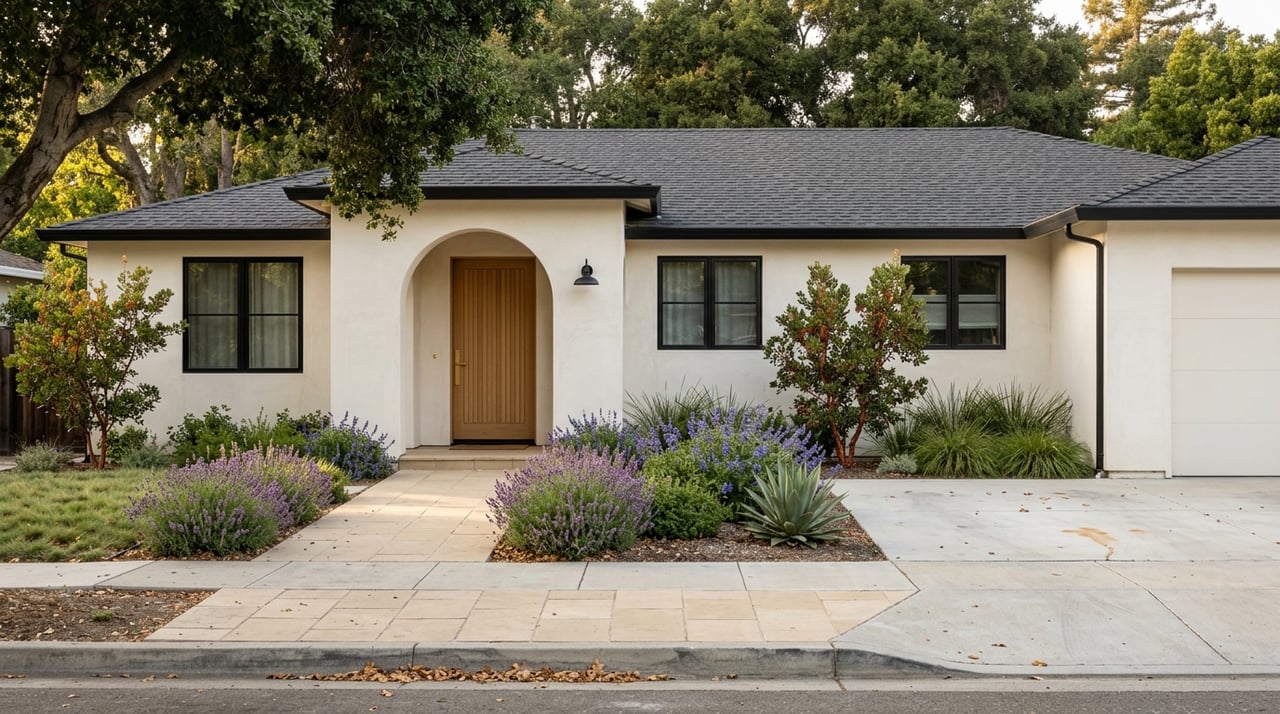
If you are deciding where to buy in Arroyo Grande, the choice is often less about “old versus new” and more about how you want to live day to day. Some areas reflect newer planning with compact layouts, coordinated streetscapes, and easy access to nearby amenities. Others are tied more closely to the historic Village, where mature trees, varied home styles, and pedestrian-oriented design shape the feel of the neighborhood. This guide will help you compare newer neighborhoods and established areas in Arroyo Grande so you can focus on the setting that fits your goals best. Let’s dive in.
Why Arroyo Grande Feels So Different
Arroyo Grande has a planning approach that balances growth with preservation. The city’s land-use framework supports newer infill and planned development while also protecting the historic character of the Village and nearby residential areas.
That is why the contrast between newer and established neighborhoods is so noticeable. In many cases, newer areas are guided by specific plans, while established Village areas follow historic-district standards and compatibility review. For you as a buyer, that can influence everything from streetscape feel to future design changes.
What Defines Newer Neighborhoods
Newer planned neighborhoods in Arroyo Grande often reflect a more compact and organized development style. City planning documents for areas like Berry Gardens describe features such as slightly smaller lots, detached sidewalks, landscaped parkways, public and private open space, and a modified grid street pattern.
These areas are also designed with connectivity in mind. Berry Gardens, for example, was planned to support bike, pedestrian, and transit-friendly movement, with access to convenience shopping, parks, recreation areas, and existing transit routes within walking or biking distance.
In practical terms, that usually means a more coordinated neighborhood layout. You may notice more consistent setbacks, a clearer relationship between garages and sidewalks, and a more standardized overall look from one block to the next.
Key Traits of Newer Areas
- Compact lot patterns
- Coordinated streetscapes
- Sidewalk and parkway planning
- Open space built into the neighborhood design
- Access to nearby parks, shopping, and transit routes
- Contemporary planning standards
What Defines Established Areas
Established areas in Arroyo Grande, especially around the Village, offer a different kind of appeal. The city describes the Village Residential area as having many historic homes and large mature trees, which helps set it apart from surrounding more modern development.
The historic districts are not defined by one single architectural style. Instead, the city’s design guidelines point to a shared vocabulary of building elements that creates continuity across homes and buildings from the historic period of 1870 to 1939.
This gives established areas a more layered and varied look. If you like neighborhoods where homes do not all feel the same, and where streets reflect decades of local history, these areas may feel especially appealing.
Key Traits of Established Areas
- Historic homes and older neighborhood fabric
- Large mature trees in Village-adjacent residential areas
- More varied architectural expression
- Strong connection to the Village setting
- Historic design standards and compatibility review
- Opportunity for some infill on vacant or partially developed properties
Village Areas and Historic Character
The Village Core stands out as the most pedestrian-oriented part of Arroyo Grande’s older fabric. The city says this historic downtown area should support uses that reflect the original Village’s small-town and historic nature, including commercial, office, residential, recreational, and community uses.
Planning for the Village Core emphasizes pedestrian travel, outdoor dining, retail, restaurants, and pedestrian-scale streetscape improvements. It also encourages shared or rear parking and discourages drive-through patterns that depend on direct automotive access.
That planning choice shapes the experience of being there. If you want to be close to the most walkable and historically rooted part of Arroyo Grande, the Village and nearby established neighborhoods will likely stand out.
The importance of historic identity also shows up in local landmarks. The city identifies the Bridge Street Bridge as a valued historic feature, a primary thoroughfare, and a landmark within the Historic Village area.
How Newer Planned Areas Compare
Newer development near the Village is not always simple tract housing. The East Cherry Avenue Specific Plan shows a more design-focused approach, with a framework intended to support high-quality, compatible development while allowing a contemporary interpretation of historic character.
That matters if you want newer construction or a newer-feeling setting without being completely disconnected from the character of central Arroyo Grande. In some of these areas, you may find a blend of updated planning concepts with design cues that respond to nearby historic patterns.
This is one reason the newer-versus-established conversation in Arroyo Grande feels more nuanced than it does in some other markets. The city’s planning documents suggest that newer areas are often built with intentional design standards, rather than simply expanding outward with a conventional subdivision format.
Walkability and Daily Convenience
If walkability is high on your list, the Village Core remains the strongest example in Arroyo Grande. The city’s land-use plans clearly prioritize pedestrian activity there, which gives the area a different rhythm than neighborhoods built around a broader street network.
Newer planned neighborhoods are also moving in a more connected direction. Planning documents point to bike-friendly, pedestrian-friendly, and transit-friendly design, along with access to nearby shopping, recreation, and existing transit routes.
The difference is in the pattern. Established Village areas tend to offer the most compact, pedestrian-oriented setting, while newer neighborhoods often provide connectivity through planned routes, sidewalks, and access to surrounding amenities.
Parks and Open Space Across Arroyo Grande
Whether you choose a newer or more established area, Arroyo Grande offers access to outdoor amenities across the city. The city says residents can enjoy a variety of parks, a 26-acre sports complex, an off-leash dog park, a community garden, and hiking trails along Arroyo Grande Creek and the James Way Oak Habitat and Wildlife Preserve.
That broader access can be helpful when you compare neighborhoods. In some newer areas, open space is part of the original neighborhood design. In established areas, green space may come more from mature landscaping, older street trees, and proximity to the Village or existing community features.
The city is also investing in mobility more broadly. Its January 2025 Active Transportation Plan was developed to promote walking, bicycling, mobility-aid use, and transit as safe and viable ways to get around while identifying barriers and priority projects citywide.
Design Oversight and Long-Term Fit
One of the biggest practical differences between newer and established areas is how design standards affect ownership. Newer planned neighborhoods are shaped by contemporary development standards set through specific plans.
Established Village areas, on the other hand, are influenced by historic-district compatibility rules. The city’s design guidelines require alternative designs and materials to fit adjacent buildings, historic character, and the scale and diversity of the area.
For some buyers, that oversight is a benefit because it helps preserve neighborhood character. For others, newer areas may feel simpler because they reflect modern planning from the start and often present a more uniform appearance.
Which Option May Suit You Best
If you prefer a more standardized look, compact lots, and newer planning concepts, Arroyo Grande’s newer specific-plan areas may be the better fit. Berry Gardens and East Cherry offer useful examples of how the city approaches newer neighborhood design.
If you are drawn to historic charm, mature trees, and the most pedestrian-oriented setting, the Village Core and nearby Village Residential areas may feel more aligned with your goals. These areas reflect Arroyo Grande’s older fabric and stronger historic identity.
Here is a simple side-by-side view:
| Feature | Newer Areas | Established Areas |
|---|---|---|
| Planning approach | Specific plans | Historic standards and compatibility review |
| Typical feel | Coordinated and compact | Varied and historic |
| Streetscape | Standardized layout and setbacks | Mature trees and layered character |
| Walkability pattern | Connected to nearby amenities | Strongest in and around the Village Core |
| Design flexibility | Guided by newer development plans | Shaped by historic context |
The right answer usually comes down to what you value most. Some buyers want newer planning and a more consistent neighborhood feel. Others are looking for character, Village proximity, and a stronger sense of Arroyo Grande’s historic roots.
If you want help narrowing down which Arroyo Grande neighborhoods match your lifestyle, purchase goals, or resale priorities, Heritage Group Real Estate can help you compare the options with local insight and a thoughtful, high-touch approach.
FAQs
What is the main difference between newer and established neighborhoods in Arroyo Grande?
- Newer neighborhoods are generally shaped by specific plans with compact layouts and coordinated design, while established areas near the Village are more historic, varied, and influenced by compatibility standards.
Are newer Arroyo Grande neighborhoods more walkable?
- Newer planned areas are designed with pedestrian, bike, and transit access in mind, but the strongest immediate walkability is still concentrated in the Village Core.
What makes the Village area of Arroyo Grande unique?
- The Village area stands out for its historic character, pedestrian-oriented planning, varied building styles, and strong connection to local landmarks and small-town streetscape design.
Do established Arroyo Grande neighborhoods only include older homes?
- No. The city notes that established historic districts can still include infill on vacant lots and partially developed properties, so these areas are not completely fixed in place.
How should buyers choose between newer and established areas in Arroyo Grande?
- A good starting point is to decide whether you value newer planning, coordinated streetscapes, and compact lots more than historic charm, mature trees, and Village-adjacent character.